

The Jack of Clubs
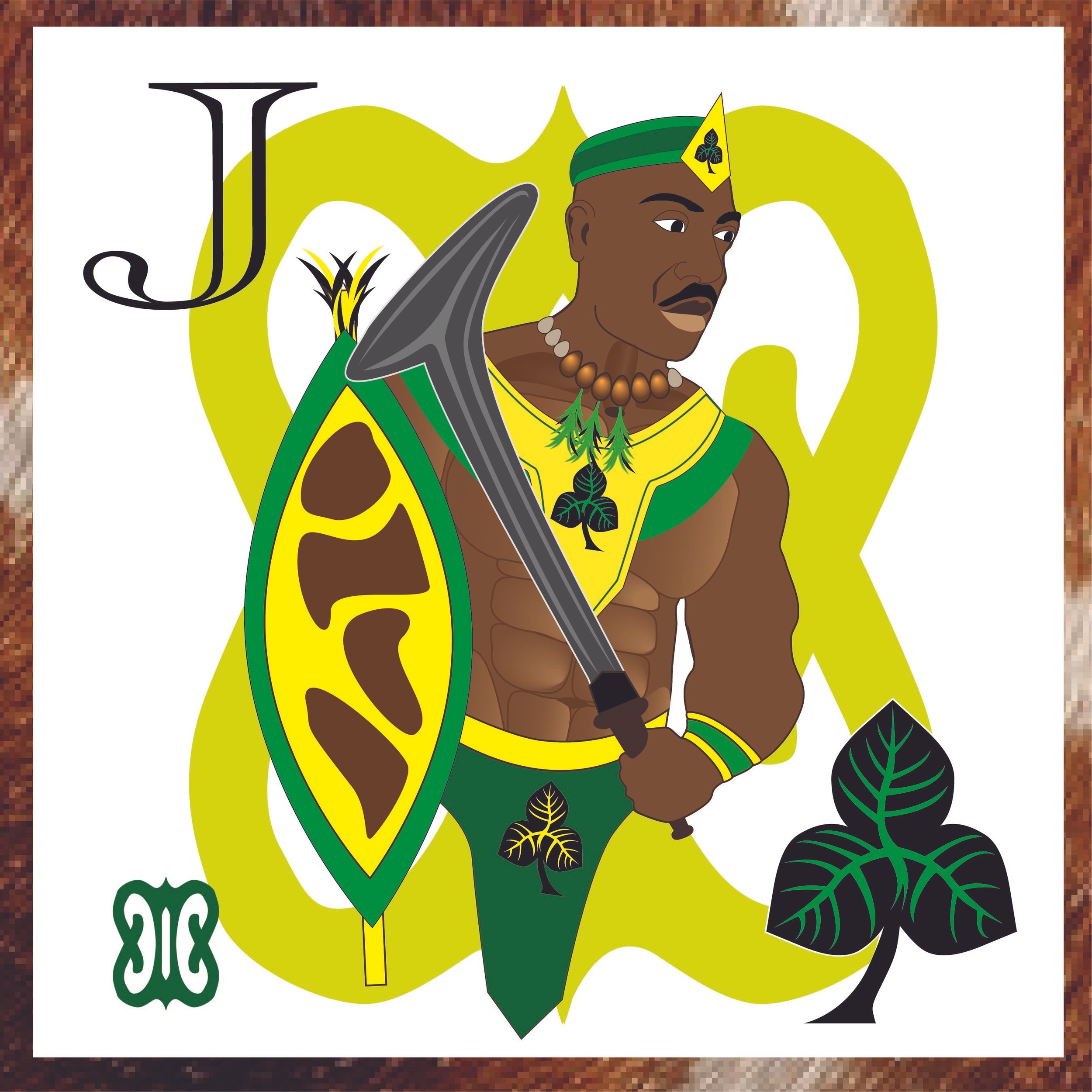
Tariq ibn Ziyad
The Conqueror Who Opened the Gates of Europe
Tariq ibn Ziyad: The Conqueror Who Opened the Gates of Europe
In the spring of 711 AD, a fiery young commander from North Africa stood at the edge of the sea, staring toward the distant mountains of Spain. Behind him lay the deserts of the Maghreb. Before him shimmered the unknown lands of Europe. His name was Tariq ibn Ziyad — a man whose courage would alter the course of continents.
Born around 670 AD, Tariq rose from humble beginnings among the Berber tribes of Algeria. His brilliance in battle and fierce devotion to Islam caught the eye of Musa ibn Nusayr, the Umayyad governor of North Africa, who made Tariq governor of Tangier. But fate had greater plans for him.
The Call to Conquest
Across the narrow Strait of Gibraltar lay a fractured kingdom. The once-mighty Visigothic Empire of Spain was crumbling under the weight of corruption and internal war. A scandal at the royal court would ignite the spark. The Visigothic king, Roderic, had violated the daughter of Count Julian of Ceuta, his trusted ally. Burning for revenge, Julian secretly approached Tariq with an audacious proposal — to bring the Muslim army across the sea and strike down the tyrant.
In April of 711, Tariq accepted. He gathered 7,000 Berber warriors, men hardened by desert winds and inspired by faith, and crossed the waters on Julian’s ships. They landed on a great rock that would forever bear his name: Jabal Tariq — the Mountain of Tariq. Today we call it Gibraltar.
The Fire of Destiny
Standing before his soldiers on that alien shore, Tariq is said to have delivered one of the most electrifying speeches in history: “The sea is behind you, and the enemy before you. By Allah, you have no escape but in courage and victory. Fight for your faith, and I promise you — paradise lies ahead!”
According to legend, he ordered his ships burned, leaving no path to retreat. Whether truth or myth, the act became a symbol of total devotion — the moment when a man and his army chose glory or death.
The Battle of Guadalete
On July 19, 711, the two forces clashed near the river Guadalete in southern Spain. Tariq’s 7,000 men faced Roderic’s massive host — said to be 100,000 strong. The odds were impossible. Yet as the sun blazed over the battlefield, Tariq’s warriors struck with the precision and fury of a sandstorm.
By nightfall, Roderic’s army lay broken. The Visigothic king himself was dead, his golden crown lost in the river mud. The Iberian Peninsula — long divided and exhausted — now lay open to a new world.
The March Across Hispania
Victory was only the beginning. Tariq divided his army into four columns and sent them sweeping across Spain. Córdoba, Granada, and Toledo — the ancient Visigothic capital — all fell to his advance. From the rugged south to the fertile plains of central Iberia, the green banners of Islam rose over the fortresses of kings.
Within a single year, Tariq and his men controlled most of Spain. By 714, reinforcements under Musa ibn Nusayr brought Arab and Berber troops together in one of the swiftest and most extraordinary conquests in history.
Together, Tariq and Musa stood triumphant over a new land that would soon be called Al-Andalus — the jewel of Muslim Spain, where art, science, and culture would one day illuminate the Dark Ages.
The Hero and the Empire
But glory came with envy. When word of Tariq’s victories reached Caliph Al-Walid I in Damascus, both he and Musa were summoned home. Some say the Caliph feared their growing fame; others say he sought to honor them. What we know is that Tariq — once the conqueror of kingdoms — would never return to the lands he had won.
In Damascus, his name faded into the mists of time. Some say he died quietly around 720 AD. Others claim he lived long enough to see Al-Andalus become a center of learning and power — proof that his faith and vision had taken root.
The Legend Lives On
Though centuries have passed, Tariq ibn Ziyad’s story burns bright in history. His name lives in Gibraltar, the very rock where he first set foot — a symbol of courage, resolve, and destiny.
From the deserts of Africa to the hills of Spain, his march reshaped civilizations. He bridged continents, faiths, and cultures — an African general whose dream of unity carried Islam into Europe and opened a new chapter in world history.
Tariq ibn Ziyad
Warrior, visionary, and the man who stood between two worlds — and changed them both forever.
The Jack of Clubs holds a Gbaya. The Adinkra symbol in the background is Endurance (Hey Wo Nnye.)