

The Jack of Spades
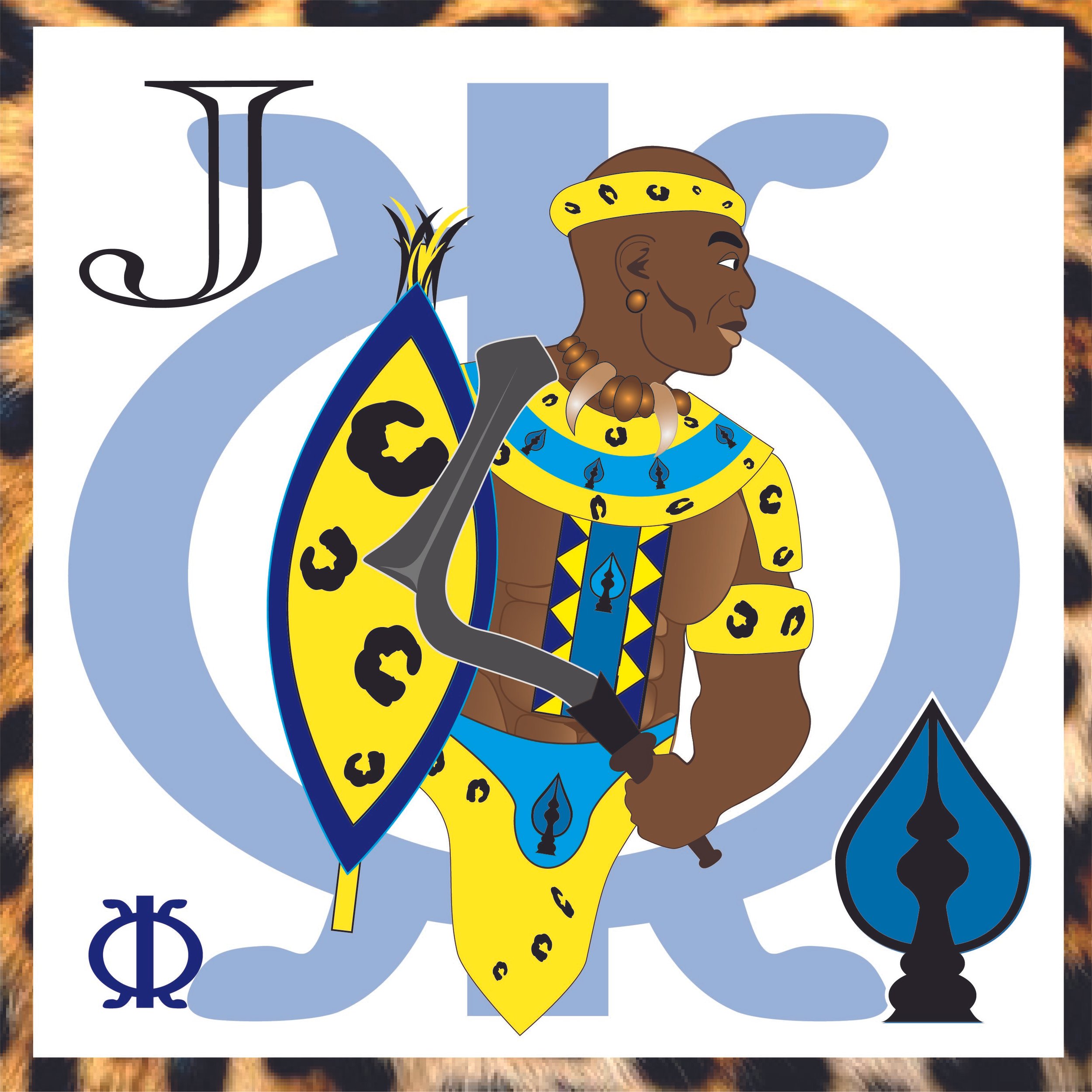
Hannibal
The Storm of Carthage, The General Who Made Rome Tremble
Hannibal: The Storm of Carthage
The General Who Defied Empires and Made Rome Tremble
The wind off the Mediterranean carried the scent of salt, smoke, and destiny. On the red cliffs of Carthage, beneath a sky burning with the light of an African dawn, a boy stood beside his father — a boy whose name would one day echo through every battlefield on earth. His father, Hamilcar Barca, placed his hand upon the boy’s shoulder and said: “Swear to me — that you will never be a friend to Rome.” The boy swore.
And in that oath, Hannibal was born.
The Blood of Carthage
Carthage — jewel of the sea, mistress of trade, empire of flame and ambition. Its ships ruled the waves, its merchants ruled the markets, its armies ruled the land. But across the sea, Rome was rising — iron by iron, law by law, hungry for the world. Hannibal was raised to fight not just a war, but a destiny. He trained under his father’s command in Spain, mastering the art of battle as other children learned to walk. He studied not only weapons but men — how fear moved them, how glory bound them, how death inspired courage. By the time he was twenty-six, he commanded the Carthaginian army in Iberia. And when Rome demanded his submission, Hannibal did not answer with words.
He answered with war.
The March of Madness
From the fortress city of New Carthage, Hannibal conceived the impossible. He would bring Rome to its knees — not by sea, but by land. He would do what no army had ever done: cross the Alps.
Imagine it — Tens of thousands of soldiers. War elephants draped in bronze. An army winding through the snows of Europe, carving its way through ice and mountain. For seventeen brutal days they marched through blizzards and blood. Men froze where they stood. Elephants slipped into chasms. But Hannibal never faltered. At the summit, he raised his sword toward the horizon and declared: “You see there, soldiers — the walls of Rome.” When they descended, it was not as an army. It was as a force of nature.
The Terror of Italy
The Romans thought him a phantom — a storm that should have perished in the mountains. But Hannibal descended upon Italy like lightning. He swept through the Po Valley, shattered Roman legions, and became the nightmare of the Republic. At Trebia, he ambushed them in frost and fog. At Lake Trasimene, he turned the earth itself into a trap, annihilating 15,000 men before they could draw breath. And at Cannae, he unleashed the masterpiece — a double envelopment so perfect, so devastating, that it became legend. Fifty thousand Romans died beneath his banner that day. It was not battle. It was geometry in blood. Even centuries later, generals would whisper his name as prayer and warning:
Hannibal ad portas — Hannibal is at the gates.
The Shadow and the Flame
For fifteen years, Hannibal roamed Italy — undefeated, relentless, unbroken. He dismantled armies, burned cities, and left Rome trembling in its own fear. But Carthage, across the sea, hesitated. Politics betrayed brilliance. Reinforcements never came. The tide turned. Rome, patient and merciless, carried the war to Africa. And so, Hannibal — the storm — was called home.
At Zama, on the plains of his own homeland, he faced the Roman general Scipio Africanus — a mirror of his own genius. The battle raged like thunder on the earth. But fate had chosen its victor. Carthage fell. Hannibal withdrew into exile — hunted, haunted, but unbowed.
The Last of the Barcids
Even as a fugitive, Hannibal was never forgotten. Kings sought his counsel. Armies studied his art. Rome, though it had triumphed, never ceased to fear him. When at last they came for him, demanding his surrender, Hannibal smiled — the same calm smile he had worn before Cannae. He raised a vial of poison and said: “Let us deliver Rome from her long anxiety, since she thinks it tries her patience too sorely to await the death of a hated old man.” And with that, he was gone. Not defeated. Simply — finished.
The Eternal Commander
Time has worn away cities and empires, but Hannibal’s name endures — carved into history not as conqueror, but as master of the impossible. He crossed mountains no one dared to cross. He faced an empire no one could defy. He fought not for land, but for legacy — and won. Even now, his strategies are studied, his courage admired, his vision unmatched. He proved that genius needs no victory to be eternal. Hannibal Barca — the boy who swore an oath, the general who bent nations, the man who taught the world what it means to command destiny.
Hannibal: The Storm of Carthage
The Jack of Spades — the oath, the fire, the mind that marched against the impossible.
The Jack of Spades holds a Banza. The Adinkra symbol in the background is Perseverance (Wawa Aba.)